- +60 12-386 0522
- info@treecuttingexpert.com
- KL Selangor

Menu
Uprooting
Uprooting involves the complete removal of a tree’s root system from the ground. This process is essential when a tree is removed, particularly if the goal is to clear the land or prepare it for new use. Uprooting can include removing the stump left behind after the tree is cut down and extracting the entire root ball to ensure no remnants are left in the soil.
When Do We Need to Uproot Tree Stubs?
- Post-Removal Cleanup: After cutting down a tree, a stump is often left behind. Uprooting the stump is necessary to clear the area completely, especially if the land will be used for construction, landscaping, or other purposes.
- Land Preparation: If you plan to use the land for planting or construction, removing the stumps and roots ensures that the ground is level and free of obstructions that could interfere with new projects.
- Preventing New Growth: Tree stumps can sometimes sprout new shoots or suckers. Uprooting helps prevent this regrowth and ensures that the area remains clear.
- Avoiding Pests and Diseases: Old stumps can harbor pests and diseases. Uprooting them helps mitigate these risks and keeps the area sanitary.
Why Do We Need to Uproot?
- Safety: Stumps and exposed roots can be tripping hazards or cause damage to machinery and equipment. Removing them makes the area safer for people and equipment.
- Aesthetic and Functional Reasons: Uprooted stumps provide a cleaner and more attractive landscape. They also facilitate easier maintenance and landscaping.
- Preventing Structural Issues: In construction or gardening, having a clear, even surface is crucial. Remaining stumps or roots can cause uneven ground or damage foundations.
- Land Value: Removing stumps can enhance the land’s value by making it more usable and attractive for potential buyers or developers.

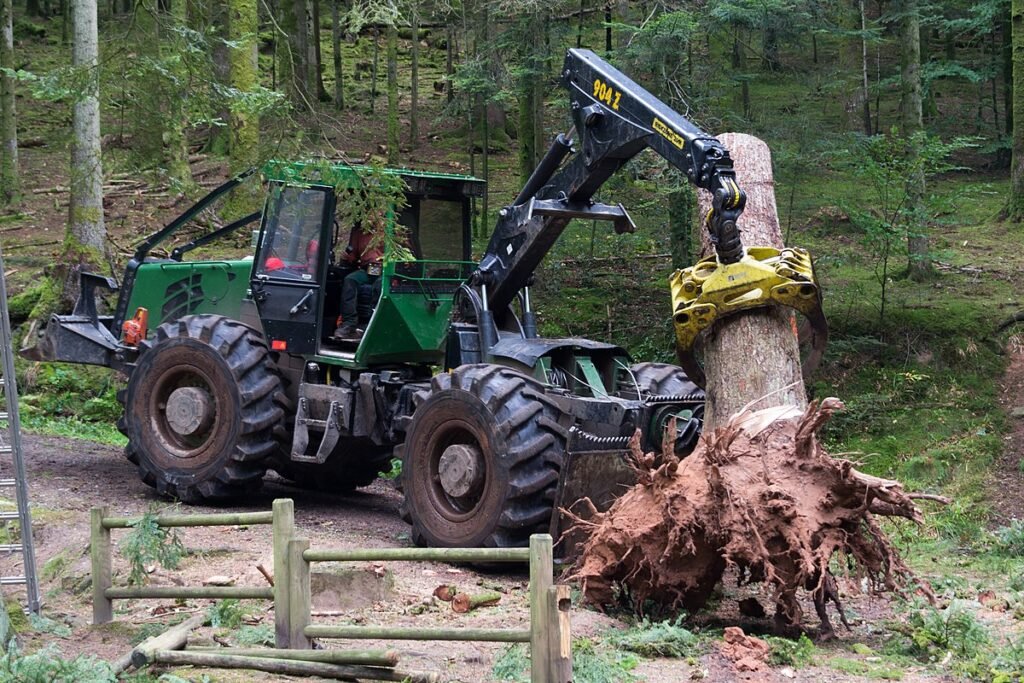
Risks of Uprooting Tree Stubs After Cutting the Tree
- Damage to Surrounding Areas: Uprooting can be disruptive, potentially causing damage to nearby plants, lawns, or structures if not done carefully.
- Cost and Complexity: Uprooting can be labor-intensive and costly, particularly if the tree was large or the root system is extensive. It may require specialized equipment and expertise.
- Soil Disturbance: The process can disturb the soil, leading to erosion or changes in soil composition. Proper techniques and follow-up can help mitigate these issues.
- Environmental Impact: In sensitive areas, uprooting might affect local ecosystems or wildlife habitats. It’s important to consider environmental factors and use appropriate methods.
Who We Are:
We are a professional tree service company specializing in comprehensive tree management, including uprooting. Our team is skilled in handling various aspects of tree removal and land clearing, providing efficient and safe solutions tailored to your needs.
How We Can Assist:
- Expert Uprooting Services: We have the expertise and equipment necessary to effectively and safely uproot tree stubs and root systems. This includes using stump grinders, excavators, and other specialized machinery.
- Complete Land Clearing: Beyond just uprooting, we offer full land clearing services, ensuring that all debris, stumps, and roots are removed, and the land is prepared for its intended use.
- Preventive Measures: We take steps to minimize damage to surrounding areas and ensure that the process is conducted in an environmentally responsible manner.
- Soil and Site Restoration: After uprooting, we can help with soil restoration and site preparation, addressing any erosion issues and preparing the ground for new planting or construction.
- Consultation and Planning: Provide expert consultation to assess the specific needs of your project and develop a detailed plan for uprooting and site preparation.
- Efficient and Safe Operations: Our team is trained in safe and efficient uprooting techniques, ensuring that the job is completed quickly and effectively with minimal disruption.
By offering these services, we ensure that your land is thoroughly cleared and prepared for any subsequent use, addressing both the immediate needs of tree removal and long-term land management goals.