- +60 12-386 0522
- info@treecuttingexpert.com
- KL Selangor

Menu
Tree Trimming
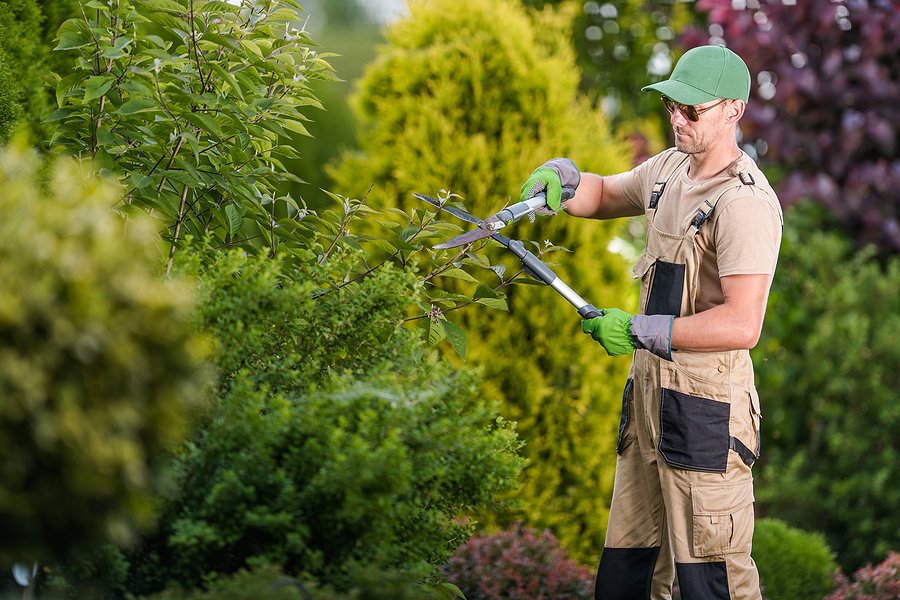
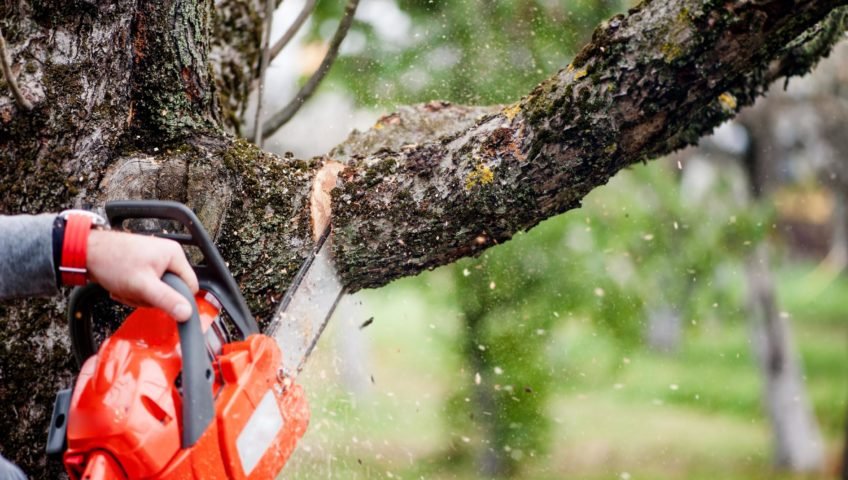
Tree trimming, also known as pruning, is the process of selectively removing certain parts of a tree, such as branches, stems, or roots. The primary goals are to improve the tree’s health, enhance its shape, or manage its growth to avoid interference with structures or power lines. Tree trimming can involve:
Removing dead or diseased branches: To prevent disease from spreading and improve the overall health of the tree.
Thinning: Reducing the density of the tree’s canopy to allow more light and air to penetrate, which can help prevent disease and promote healthier growth.
Shaping: Controlling the tree’s size and appearance to fit the landscape design or aesthetic goals.
Elevating: Removing lower branches to improve clearance for walkways, buildings, or vehicles.
How Often Should We Trim Trees?
The frequency of tree trimming depends on several factors, including the type of tree, its growth rate, and its location. Generally:
- Fast-Growing Trees: These may require trimming once a year or every 1-2 years.
- Slow-Growing Trees: These might need trimming every 3-5 years.
- Fruit Trees: Often require annual or biennial trimming to improve fruit production and overall health.
- Young Trees: Should be trimmed more frequently to shape their growth and establish a strong structure.
Dangers of Neglecting Tree Trimming
If trees are not trimmed periodically, several issues can arise:
- Safety Hazards: Overgrown branches can pose risks of falling, especially during storms. They may also obstruct paths or cause damage to structures and power lines.
- Tree Health: Dead or diseased branches can harbor pests and diseases, which might spread to other parts of the tree or nearby trees.
- Structural Damage: Branches that grow too close to buildings, sidewalks, or driveways can cause damage or create maintenance challenges.
- Aesthetic Issues: Untrimmed trees can become unsightly or overgrown, affecting the appearance of the landscape.
- Reduced Fruit Production: For fruit trees, lack of trimming can lead to poor fruit quality and reduced yields.
Assisting with Tree Trimming and Big Tree Projects:
If some big tree cutting companies focus exclusively on large tree removals and do not offer tree trimming services, you can position your business as a versatile service provider by:
- Offering Comprehensive Services: Highlight that your team handles both large and small tree projects, including trimming and pruning. This can attract customers who need both tree removal and ongoing maintenance.
- Specializing in Trimming: Emphasize your expertise in tree trimming, showcasing your knowledge and skills in maintaining tree health and appearance.
- Providing Custom Solutions: Offer tailored solutions for different types of trees and customer needs, whether it’s routine maintenance or one-time extensive trimming.
- Utilizing Professional Equipment: Invest in the necessary tools and equipment for both large and small tree projects, including aerial lifts, chainsaws, and pruning tools, to handle various tasks efficiently.
- Educating Customers: Inform your clients about the importance of regular tree trimming and the potential risks of neglecting it. This can build trust and highlight the value of your services.
- Flexible Scheduling: Offer flexible scheduling to accommodate both urgent and routine tree maintenance needs, ensuring you can meet diverse customer requirements.
By providing a full range of services, including both tree trimming and large tree cutting, you can cater to a broader customer base and establish your business as a comprehensive tree care solution.