- +60 12-386 0522
- info@treecuttingexpert.com
- KL Selangor

Menu
Tree cutting
Tree cutting, often referred to as tree removal or tree felling, involves the process of cutting down a tree, typically with the goal of removing it from a specific area. This can be necessary for a variety of reasons, including safety concerns, landscaping needs, or to prevent damage to structures or utilities.
Reasons for Tree Cutting
- Safety Hazards: Trees that are dead, diseased, or structurally compromised can pose a risk to people and property. Removing these trees helps prevent potential accidents or damage.
- Construction and Landscaping: Trees may need to be removed to make way for new construction, roadways, or landscaping projects.
- Maintenance: In some cases, removing trees or branches helps to maintain healthy growth for the remaining trees and ensure they don’t interfere with buildings or power lines.
- Pest and Disease Control: Trees infested with pests or diseases might need to be cut down to prevent the spread to healthy trees.
- Aesthetic or Functional Reasons: Some trees might be removed to improve the appearance of a property or to enhance sunlight and views.
Main Concerns in Identifying Tree Cutting Contractors
- Experience and Expertise: Look for contractors with extensive experience in tree cutting and removal. They should be knowledgeable about different tree species and the best techniques for safe removal.
- Licensing and Insurance: Ensure the contractor is properly licensed and carries liability insurance. This protects you in case of accidents or property damage during the job.
- Reputation and References: Check reviews and ask for references from past clients to gauge the quality of the contractor’s work and customer service.
- Safety Practices: A reputable contractor should follow strict safety protocols to protect their workers, your property, and themselves. This includes using the right equipment and having a clear safety plan.
- Cost and Estimates: Obtain detailed written estimates from multiple contractors. Be wary of unusually low bids, which might indicate a lack of experience or hidden costs.
- Environmental Considerations: Consider if the contractor has practices for recycling wood, managing debris, and preserving the surrounding environment.
Types of Tree Services Offered
- Tree Cutting: Removing an entire tree from a property, including the stump, if needed.
- Tree Trimming: Cutting back branches and foliage to improve the health of the tree, enhance its shape, or prevent interference with structures.
- Removal of Fallen Trees: Clearing trees that have fallen due to storms, disease, or other reasons.
- Land Clearing: Removing trees, shrubs, and other vegetation to prepare land for construction or other uses.
- Uprooting: Removing the entire root system along with the tree, often necessary for certain types of land clearing or when a stump needs to be completely removed.
- Cutting Down Branches: Pruning or removing individual branches that are dead, diseased, or overhanging structures.
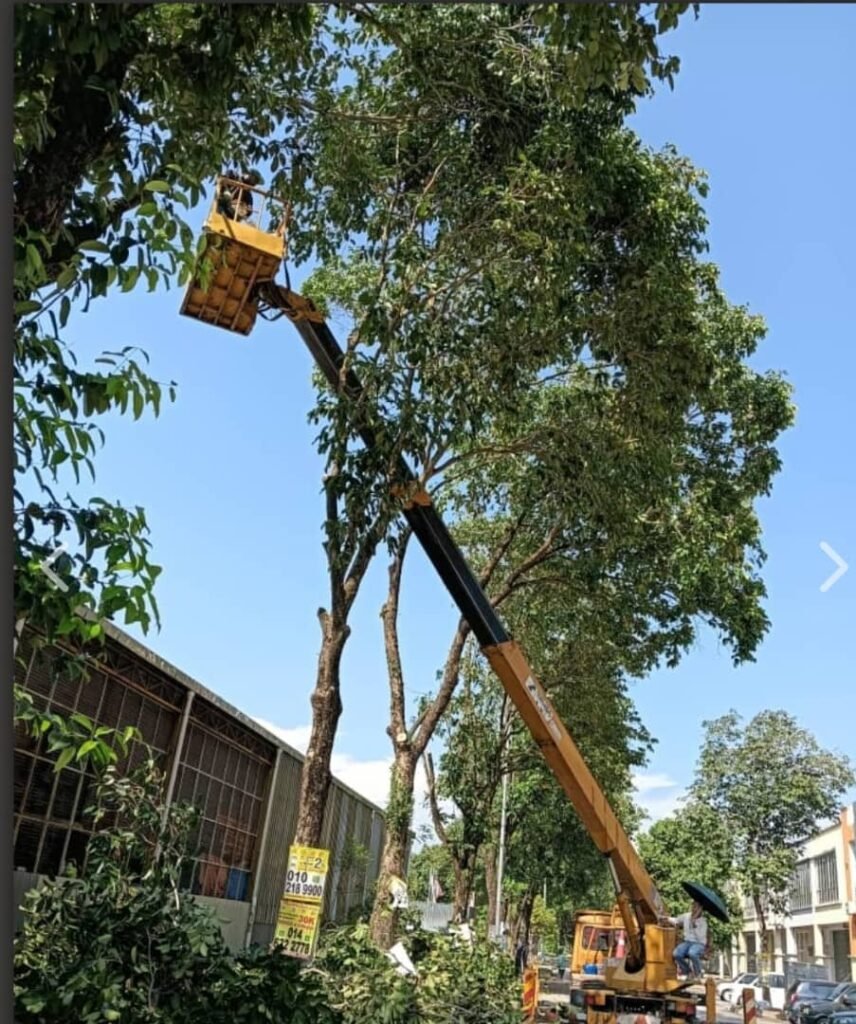
- Cutting Big Trees Using Skylift: Utilizing aerial lifts or cherry pickers to safely reach and cut down large trees that are difficult to access from the ground.
Offering these services involves having specialized equipment and trained professionals who can handle different types of tree-related tasks safely and efficiently.